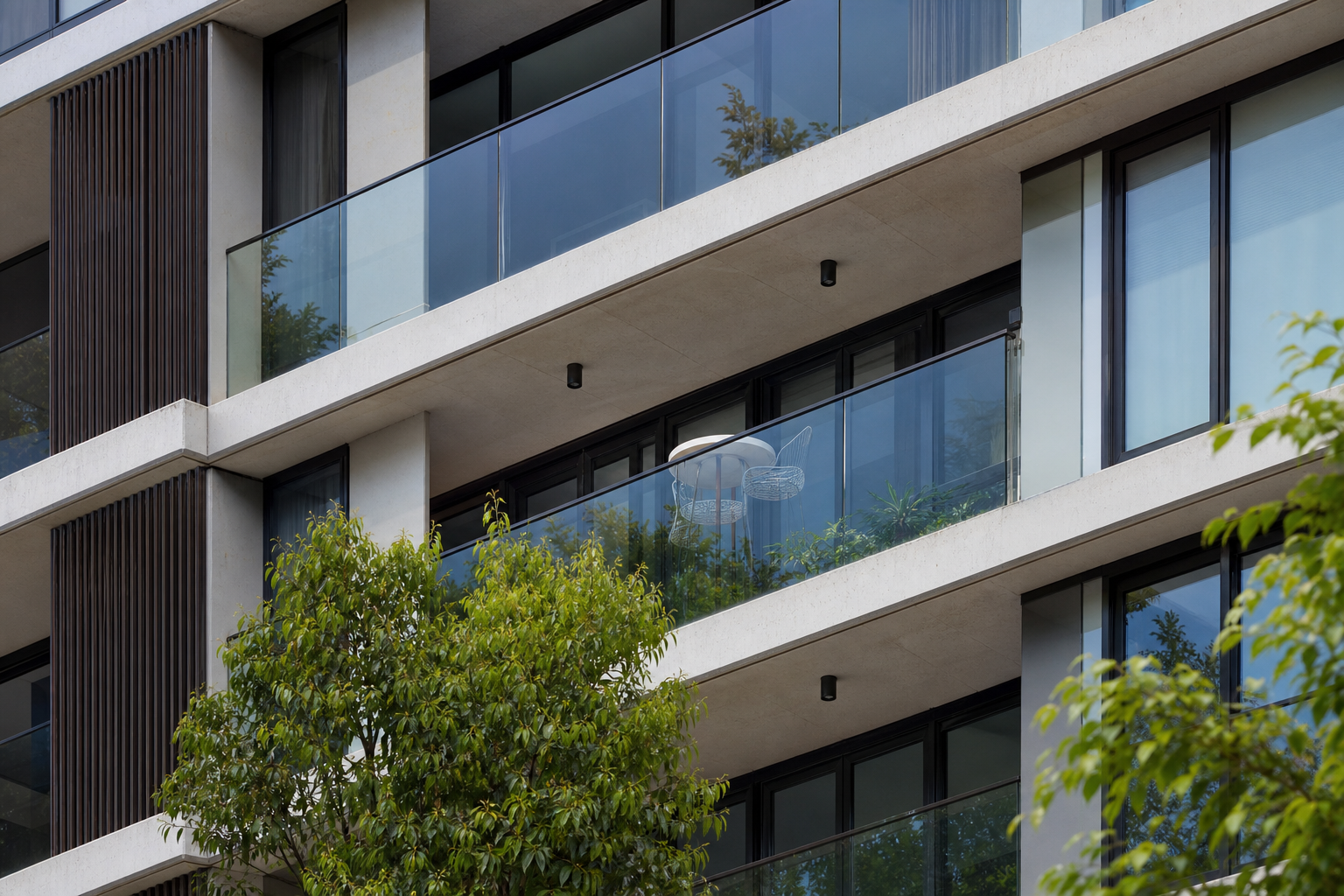
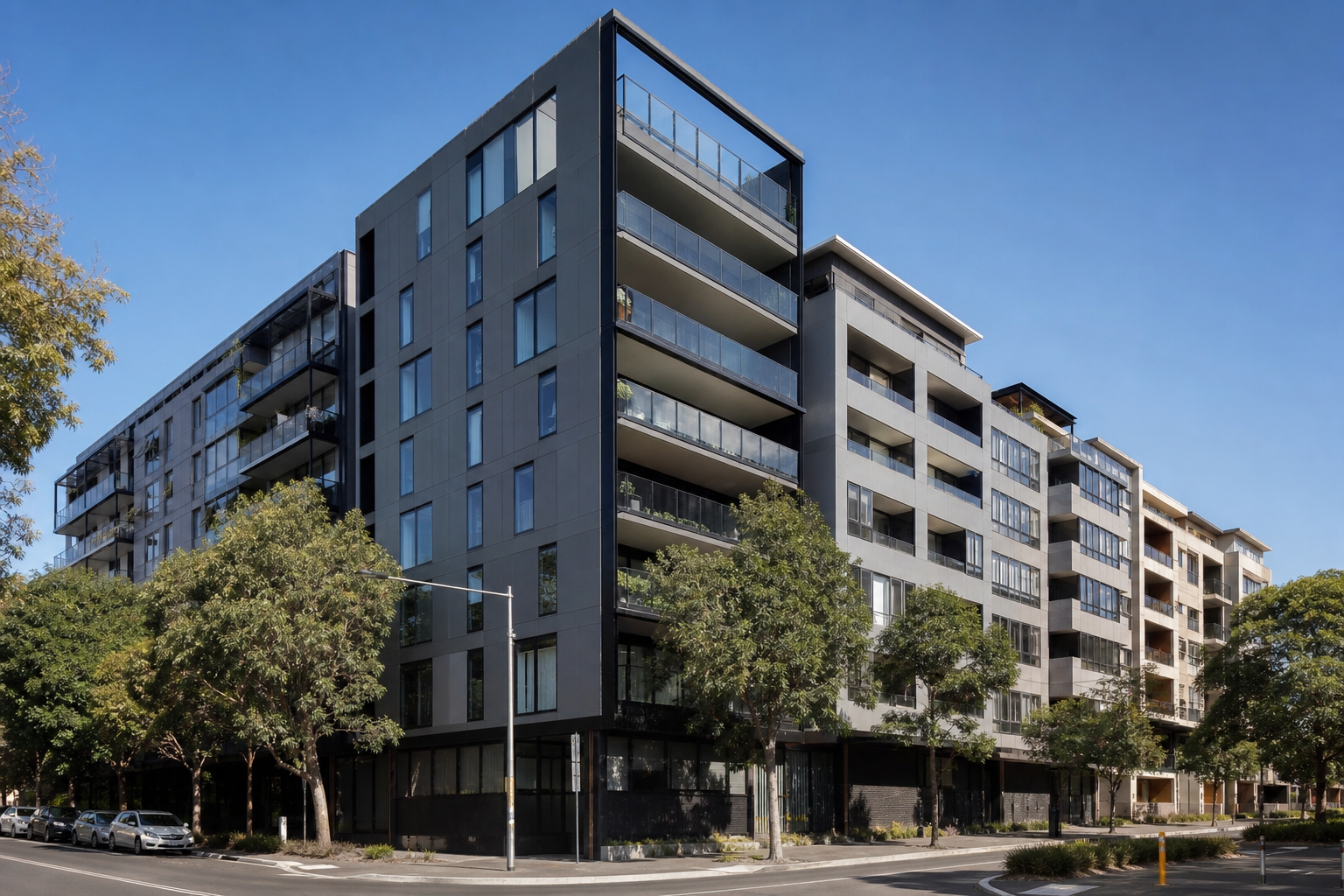
Apartment development in Melbourne combines regulatory precision with design ambition. Project Avoca delivers contemporary apartment buildings that meet Victorian standards and exceed occupant expectations.
Regulatory landscape
Victorian apartment design standards govern room depth, daylight access, storage volume, ventilation, and communal open space. Compliance is assessed at planning permit stage and verified at building permit. We integrate these requirements from massing studies onward — not as afterthoughts that compromise architecture.
NCC 2022 energy provisions and accessibility requirements apply to new apartment buildings. Façade design, services selection, and construction detailing must align with performance solutions or deemed-to-satisfy pathways. Early energy modelling informs orientation and envelope decisions.
Owners corporation implications — sinking fund planning, maintenance access, services replacement — are considered at design stage. Poorly designed common property creates long-term liability for owners and managers.
Design and amenity
We collaborate with architects to deliver apartments with generous ceiling heights, functional kitchens, integrated storage, and durable finishes. Communal lobbies, landscaping, and bicycle storage contribute to streetscape and resident experience. Acoustic separation between dwellings and from communal areas is verified at detailing stage.
Inner-urban sites in Southbank, South Melbourne, and Fitzroy present wind, overshadowing, and overlooking challenges addressed through iterative design and planning negotiation.
Apartments are judged daily by the quality of light, quiet, and storage — not by marketing renders at launch.
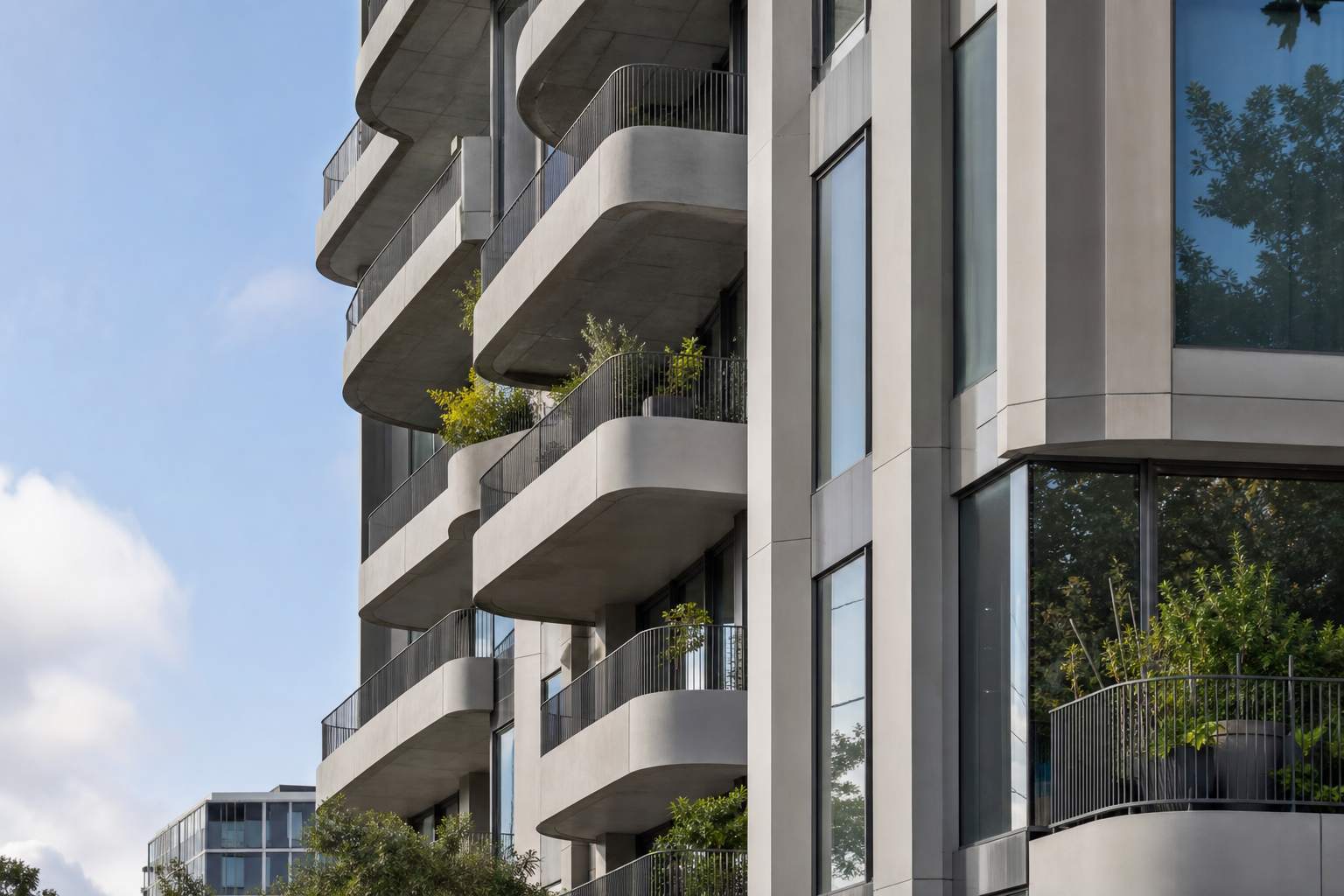
Delivery considerations
Construction methodology for apartment buildings — jump-form concrete, precast, or hybrid — affects programme and cost. We select approaches suited to site access, height, and contractor capability in Melbourne's current market.
Practical completion coordination includes occupancy permits, owners corporation establishment, and defect rectification before settlement campaigns. Purchaser expectations in Victoria's disclosure regime demand accuracy between marketing and delivered product.
Markets we serve
Build-to-sell for owner-occupiers and investors, build-to-rent for institutional holders, and small boutique schemes for joint-venture landowners. Each market implies different finish levels, management structures, and sales strategies.
Contact Project Avoca to discuss apartment development on your Melbourne site.

Strata and owners corporation
Apartment developments require owners corporation rules, maintenance plans, and sinking fund forecasts at plan of subdivision. Poor strata governance burdens residents — we establish sensible rules and adequate sinking fund contributions from inception.
Lifts, fire panels, and hydraulic pumps require replacement cycles modelled in sinking fund planning. Underfunded owners corporations devalue assets — we avoid creating that liability.
Purchaser disclosure
Victorian off-the-plan disclosure requires accurate representation of area, fixtures, and communal facilities. Marketing materials are reviewed against contract specifications before release. Changes during construction trigger disclosure update obligations — we manage without surprising purchasers at settlement.
Build-to-rent specification
Institutional build-to-rent requires durable finishes, operable maintenance access, and property management interfaces in design. Common property BIM documentation supports facilities management for portfolio holders entering Melbourne market.
Wind and overshadowing analysis on tower sites in Southbank and Docklands informs setback and balcony depth before marketing launch — protecting permit compliance and purchaser amenity.
Communal amenity
Apartment design standards require communal open space proportionate to dwelling count. We integrate amenity that occupants use — not token roof terraces inaccessible in practice. Bicycle storage, delivery lockers, and waste management satisfy operational reality of inner-urban living.
Owners corporation budgets are modelled at feasibility with realistic sinking fund provision for lift maintenance, façade cleaning, and plant replacement. Under-funded OC structures degrade asset value within years of completion.
Acoustic and privacy
Traffic noise, neighbour activity, and mechanical plant require acoustic design beyond minimum code. Façade glazing specification, slab thickness, and services isolation are coordinated with acoustic engineer before structure is fixed. Purchaser complaint on noise is costly to reputation and defects budget.
Apartment site review
Inner-urban infill needs early wind, acoustic, and ADS modelling. Start with municipality and approximate footprint.
Request a QuoteCommunal areas
Lobbies, mail, waste, and bicycle storage consume net lettable area but determine daily resident experience. We allocate space early in massing so ADS compliance does not compress lobby to token size. Services risers and meter cupboards are resolved before sales launch — buyers notice when they are not.