
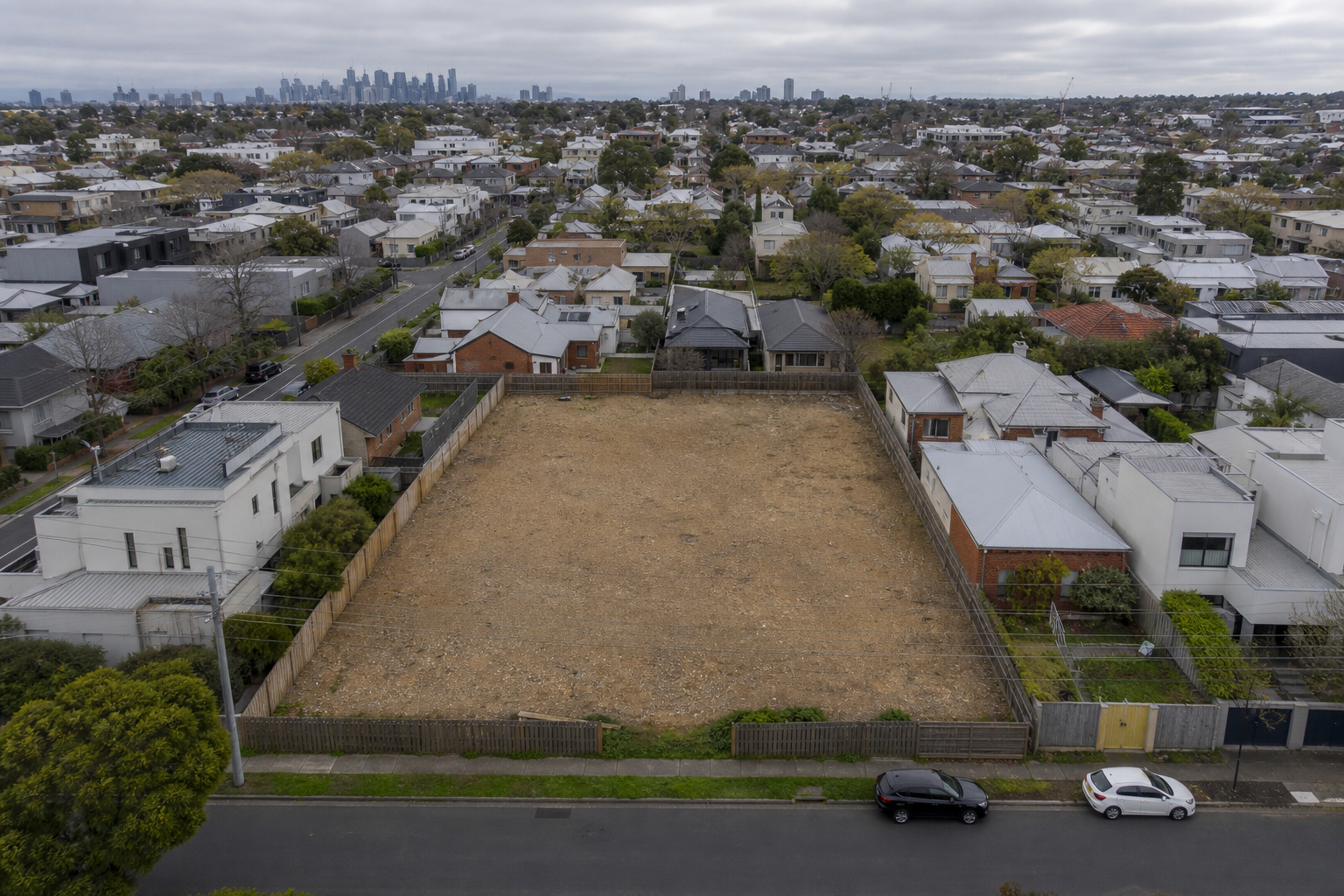
Land acquisition decisions commit capital for years. Project Avoca provides due diligence, feasibility, and approvals strategy that clarifies risk before contracts are signed.
Due diligence
Site due diligence examines title, encumbrances, easements, zoning, overlays, services capacity, access, flooding, contamination potential, and heritage constraints. We coordinate geotechnical investigation, traffic assessment, and arborist reports where site conditions warrant. Findings are presented with clear implications for yield, cost, and programme.
Contract structures — unconditional versus subject-to-planning, long settlements, put-and-call arrangements — are recommended based on risk profile and client objectives. We negotiate terms that protect buyers while remaining acceptable to vendors in Melbourne's competitive land market.
Comparable sales and rental evidence inform feasibility revenue assumptions. We challenge agent appraisals with independent analysis, particularly on unique sites where direct comparables are scarce.
Feasibility modelling
Feasibility models integrate land cost, professional fees, authority charges, construction cost, finance, sales commissions, and contingency. Sensitivity analysis tests margin under delayed sales, cost escalation, and reduced yield scenarios. Models are living documents updated as design and approvals refine assumptions.
For build-to-rent propositions, we model yield on cost against institutional return hurdles, factoring vacancy, management cost, and capex reserves. Victorian land tax and stamp duty implications are included.
Feasibility is not a spreadsheet to justify a decision already made — it is the discipline that prevents regret.
Planning approvals
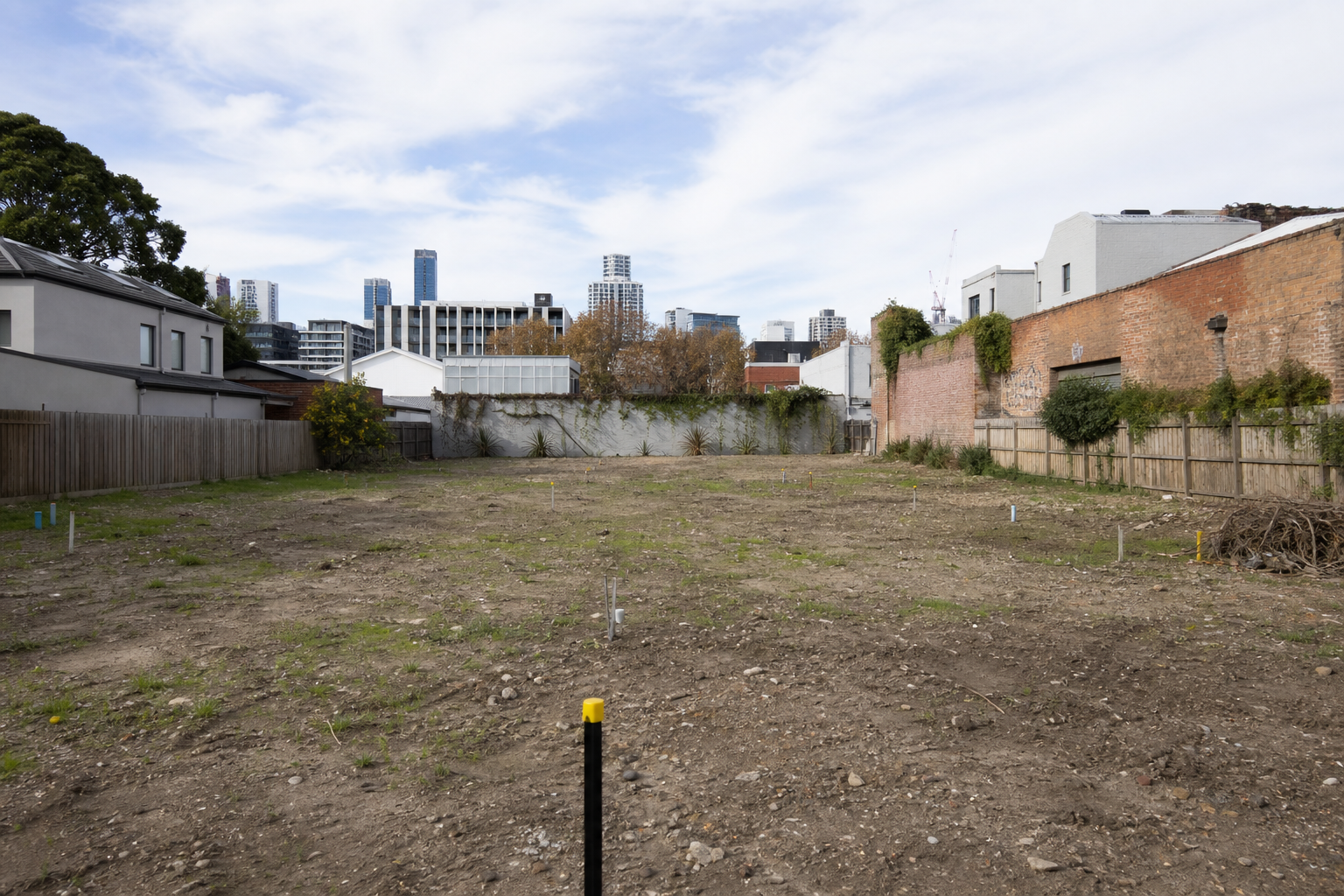
Planning permit applications are prepared with coordinated architectural, landscape, traffic, and planning report documentation. Pre-application meetings with councils across Melbourne — from Glen Eira to Darebin — identify issues before formal lodgement.
We manage referral authorities: Melbourne Water for drainage, VicRoads for access, Heritage Victoria for listed places, and CFA for bushfire-prone land on metropolitan fringe and regional sites. Response coordination prevents permit delays from outstanding referrals.
Permit conditions are reviewed for constructability and cost before acceptance. Unreasonable conditions are challenged through objection or VCAT pathways where appropriate and commercially justified.
Building and subdivision pathways
Building permit coordination runs parallel to planning where possible. Registered building surveyors, fire engineers, and energy assessors contribute to compliant documentation. Subdivision certification for multi-lot schemes is programmed alongside construction to avoid title delay at completion.
Our approvals team maintains current knowledge of Victorian planning reforms, apartment design standards updates, and sustainability disclosure requirements affecting new applications.
Title and covenant review
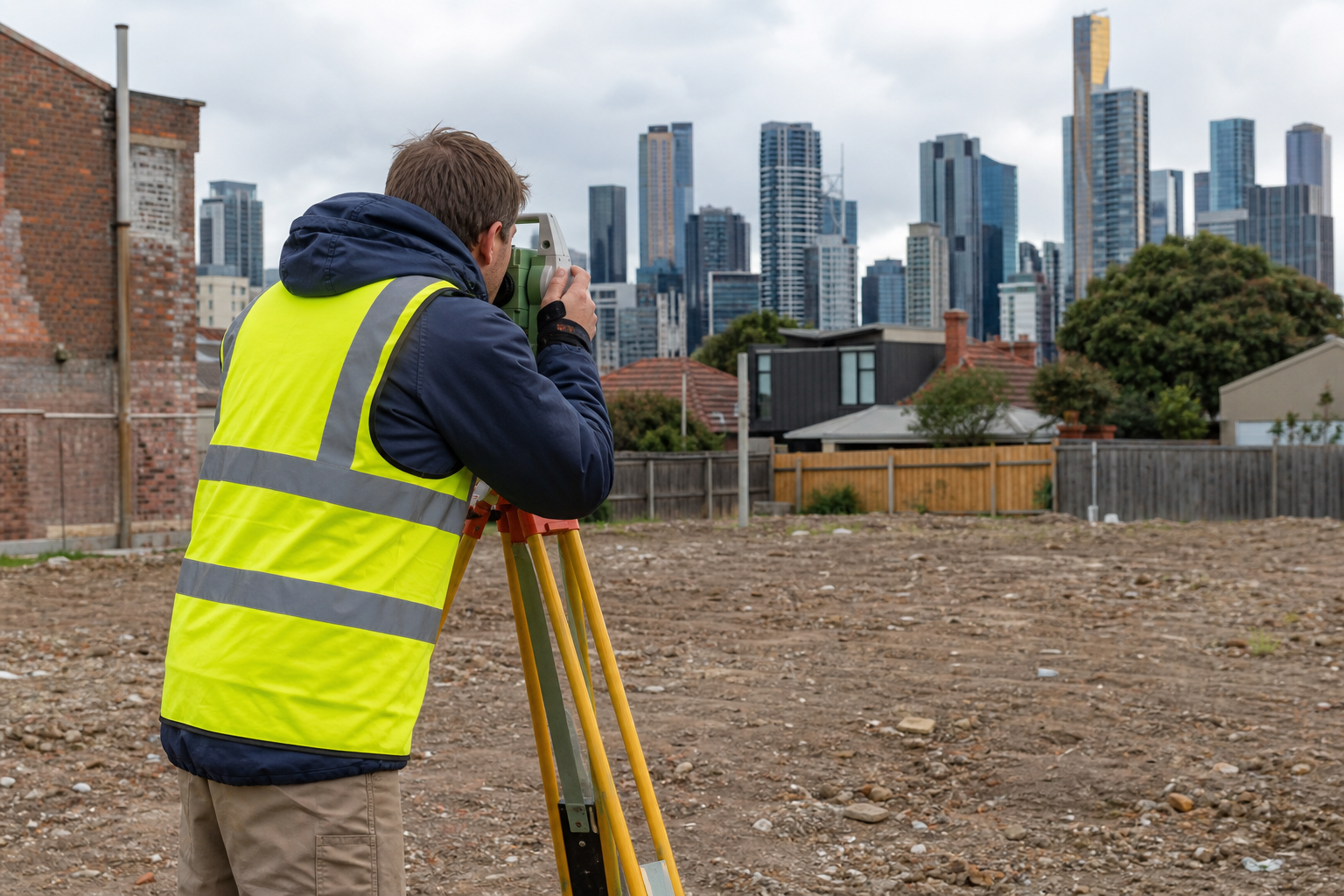
Title searches reveal easements, covenants, and caveats that constrain building envelope and access. We interpret plans and coordinate legal advice before exchange. Restrictive covenants limiting dwelling count or building materials have defeated acquisitions where due diligence was superficial.
Contamination audits on former commercial or industrial sites follow EPA Victoria guidance. Remediation cost and timeline are quantified before land price is agreed.
Assembly strategies
Multi-lot assembly requires aligned settlement timing, equitable contribution to uplift, and fallback if one vendor withdraws. We structure option agreements and due diligence periods that protect aggregating buyers while remaining negotiable with vendors who fear prolonged uncertainty.
Vacant possession, demolition timing, and existing tenancy obligations are verified before exchange on income-producing sites. Lease expiry and make-good cost affect net land cost and must appear in feasibility.
Contract negotiation
Land contracts in Melbourne's competitive market require balance between vendor certainty and buyer protection. Subject-to-planning clauses, long settlements, put-and-call options, and deferred consideration each allocate risk differently. We recommend structures aligned with feasibility sensitivity and client hold period.
Due diligence periods must be sufficient for consultant reports material to yield — geotechnical, traffic, arborist, contamination — without being so extended that vendors accept alternative offers. Negotiation strategy reflects both.
Permit condition management
Planning permit conditions attach cost and programme obligation. We review conditions at issue for constructability: landscaping species and pot size, acoustic barrier specification, contribution payment timing, and staged permit requirements. Conditions requiring amendment are identified early rather than discovered at building permit stage.
Site assessment
Send title particulars or a survey sketch. We advise on yield, overlay risk, and whether to proceed before you exchange.
Request a Quote