
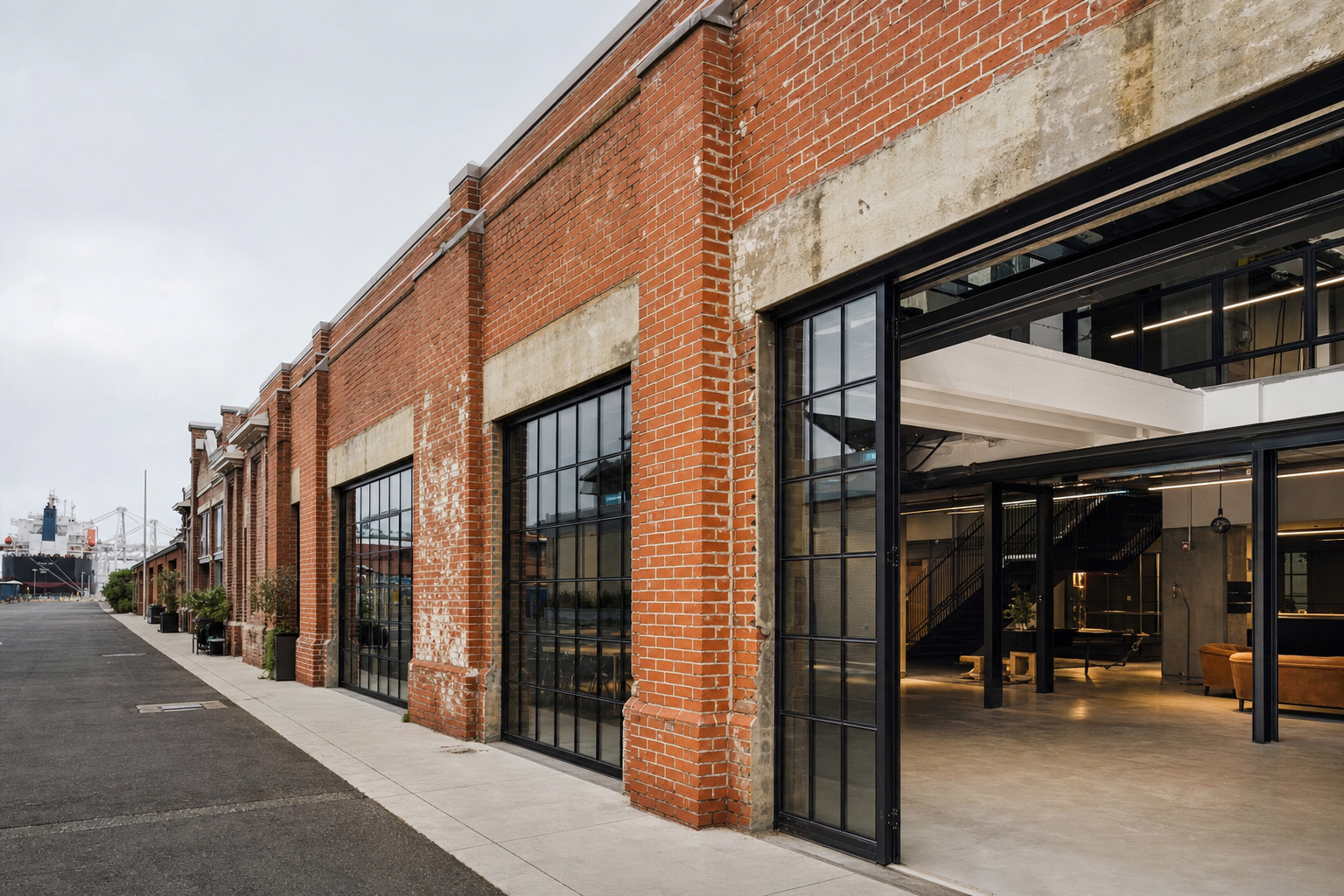
Conversion of a 1920s industrial workshop into four premium warehouse residences — celebrating volume, heritage fabric, and Port Melbourne's maritime character.
Project overview
Port Workshop occupies a former timber mill building in a precinct transitioning from industrial to residential. Four large-format dwellings retain exposed structure where heritage permit permits, inserting contemporary services and insulation without destroying character.
Challenges
Heritage Victoria involvement required conservation management plan and approval for new openings in heritage fabric. Latent contamination from historical industrial use demanded remediation before habitation approval.
Structural condition of original timber trusses varied — some members required sistering or replacement, affecting budget and architectural intent.
Industrial zoning transition to mixed use required planning permit demonstrating adequate car parking and amenity despite non-standard dwelling configurations.
Solutions
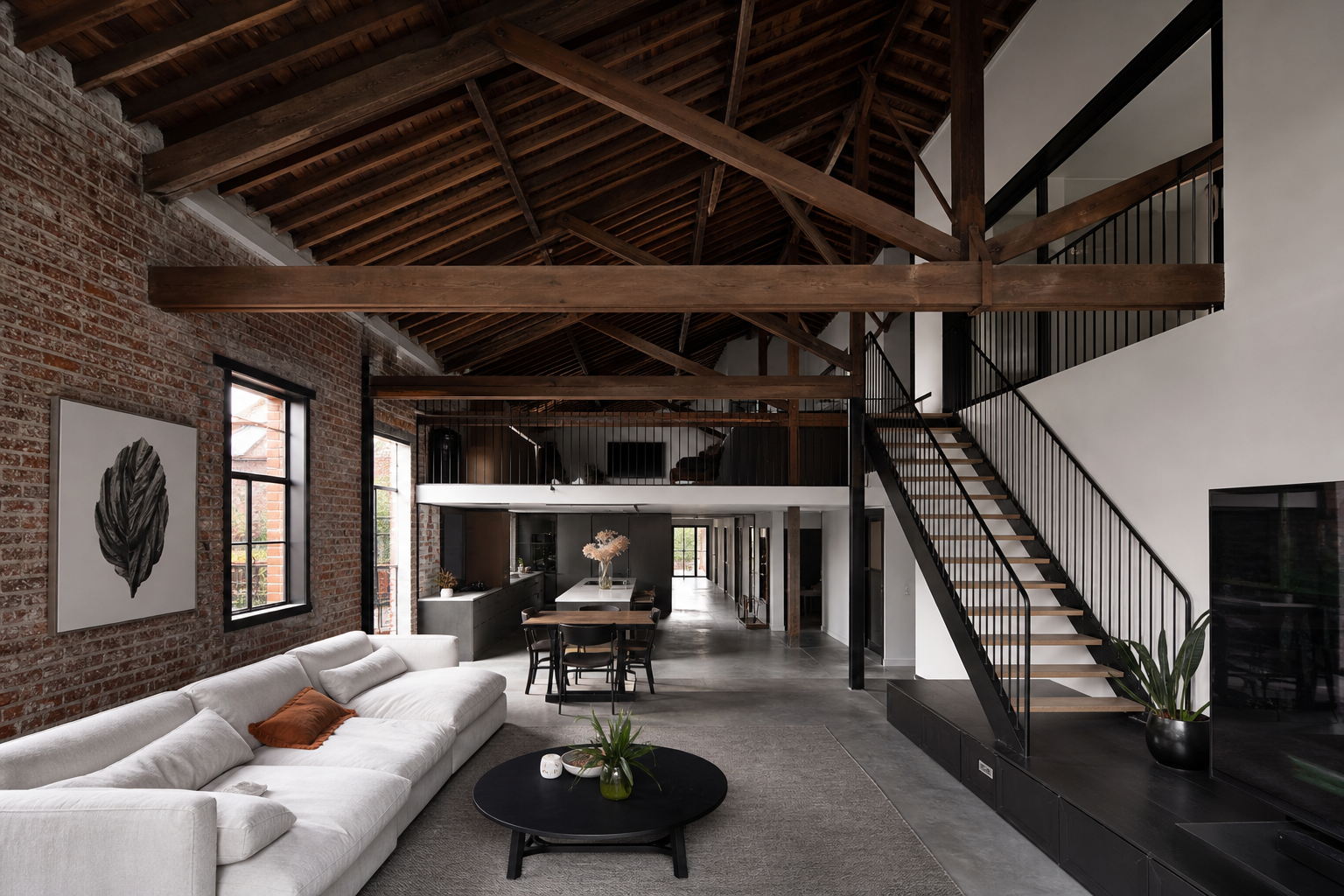
Conservation architect collaborated on truss retention strategy. New steel elements distinguished from original fabric per heritage guidelines. Insulation and acoustic lining concealed within bulkheads preserved volumetric experience.
Remediation followed EPA Victoria protocol with validation reporting before slab construction for ground-floor units. Contingency drawn early prevented programme stall.
Car stacker and motorcycle bays satisfied parking demand within constrained site footprint.
Outcomes
Planning permit issued with heritage conditions documented for building permit. Two dwellings pre-sold to owner-occupiers seeking industrial aesthetic in Port Melbourne.
Project demonstrates Project Avoca capability on adaptive reuse — increasingly relevant as industrial land converts across inner Melbourne.
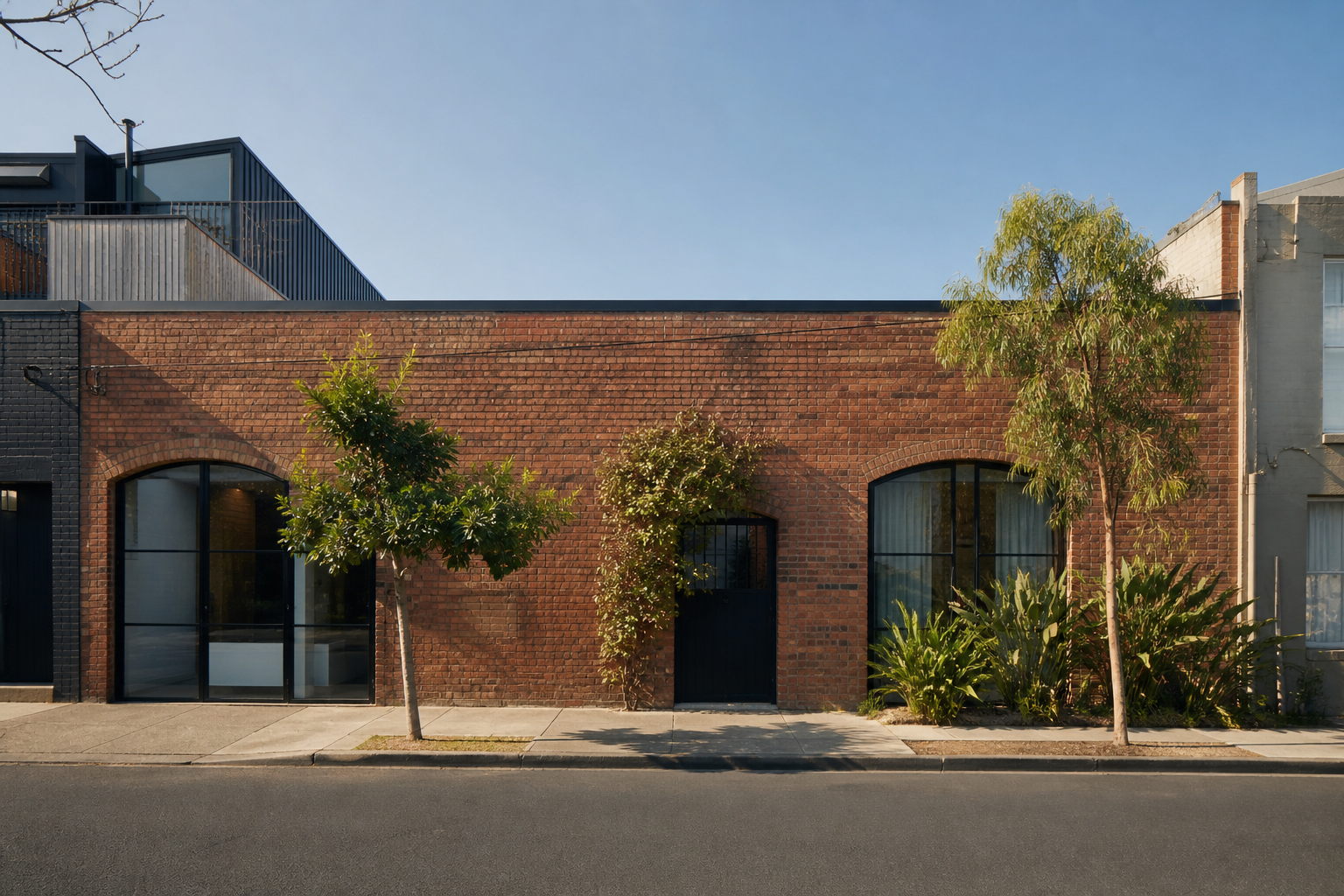
Industrial character marketing attracted purchasers seeking volumetric living uncommon in standard apartment product. Disclosure accurately represented heritage limitations on structural modification.
Height clearance within warehouse volumes preserved minimum four-metre clear zones in living areas — a marketing feature for target demographic seeking industrial aesthetic without cramped mezzanine conversion common in lesser conversions.
Fire engineering solution for open volumetric space used performance-based assessment approved by building surveyor — preserving industrial character without compartmentation inconsistent with design intent.
Technical detail
Conservation management plan governed truss retention versus replacement decisions — new steel distinguished from original fabric per Heritage Victoria guidance. Remediation validation reporting preceded slab pour for ground-floor units; contamination contingency drawn at discovery avoided programme stall.
Performance-based fire engineering approved open volumetric living without compartmentation inconsistent with industrial design intent — preserving marketing feature of minimum four-metre clear height in living zones.
Lessons for similar sites
Adaptive reuse projects require heritage, contamination, and structural assessment in parallel before acquisition price finalises. Industrial aesthetic marketing attracts purchasers seeking volume unavailable in standard apartment product — disclosure must accurately represent heritage modification limits.
Stakeholder outcomes
Heritage conditions documented at planning permit translated directly to building permit without redesign cycle. Owner-occupier purchasers received volumetric living disclosure accurate to heritage constraints — no post-settlement claim on structural modification expectation.
Car stacker commissioning preceded settlement on basement units — avoiding occupation delay from parking system defect. EPA validation reporting archived for future resale due diligence by purchasers.
Industrial character
Heritage fabric at Port Workshop is documented in sales contracts: original trusses, sistered members, and new steel are identified in writing before settlement so purchasers understand the building they are buying.